LA’s New Power Table: Where Culture, Community, and Influence Meet Over Dinner
Inside the Los Angeles restaurants and private dining rooms, redefining modern connection for women who know that the right room can change everything.
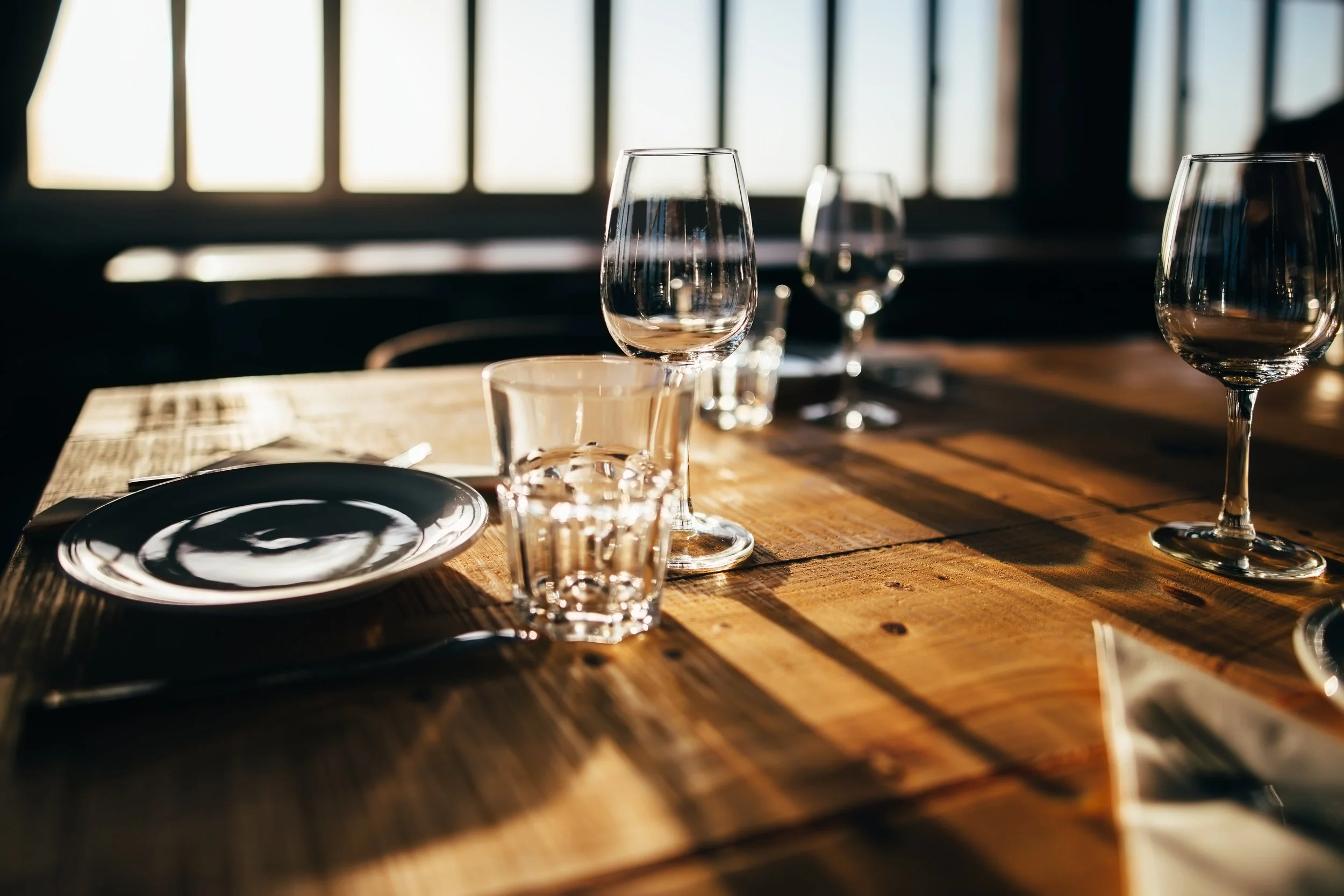
Walter Cicchetti - stock.adobe.com
By Jana Short, editor-in-chief
Los Angeles has always understood the quiet language of a table.
Not just the table where dinner is served, but the table where someone leans in, lowers their voice, and says the thing that changes the next chapter. The city has built entire movements over salads, scripts, strategy sessions, beauty rituals, and late reservations that somehow become business plans before dessert arrives. In fall, when the light softens and the city begins to exhale from its summer performance, dinner becomes something more intimate. It becomes a return to discernment.
For the woman who has outgrown crowded networking rooms, the new power table is not loud. It is curated. It is intentional. It is where presence matters more than performance and where influence is measured not by how many people know your name, but by who trusts you enough to pull out the chair beside them.
This is why private dining is having a cultural moment in Los Angeles. At restaurants like Mother Wolf, the private dining offering includes multiple spaces for gatherings and events, with the restaurant noting capacity for up to 350 guests in its Hollywood setting. The design language leans cinematic, with Murano lighting, Venetian-inspired terrazzo, and a Milanese palette that feels more like a scene than a reservation. Mother Wolfe.
Funke in Beverly Hills also offers private dining and special-event spaces, including Bar Funke, where the team creates bespoke experiences for special occasions. Funke For LA, this matters. The private room is not just about exclusivity anymore. It is about emotional architecture. It is about creating an environment where people soften, listen, and remember why proximity still matters.
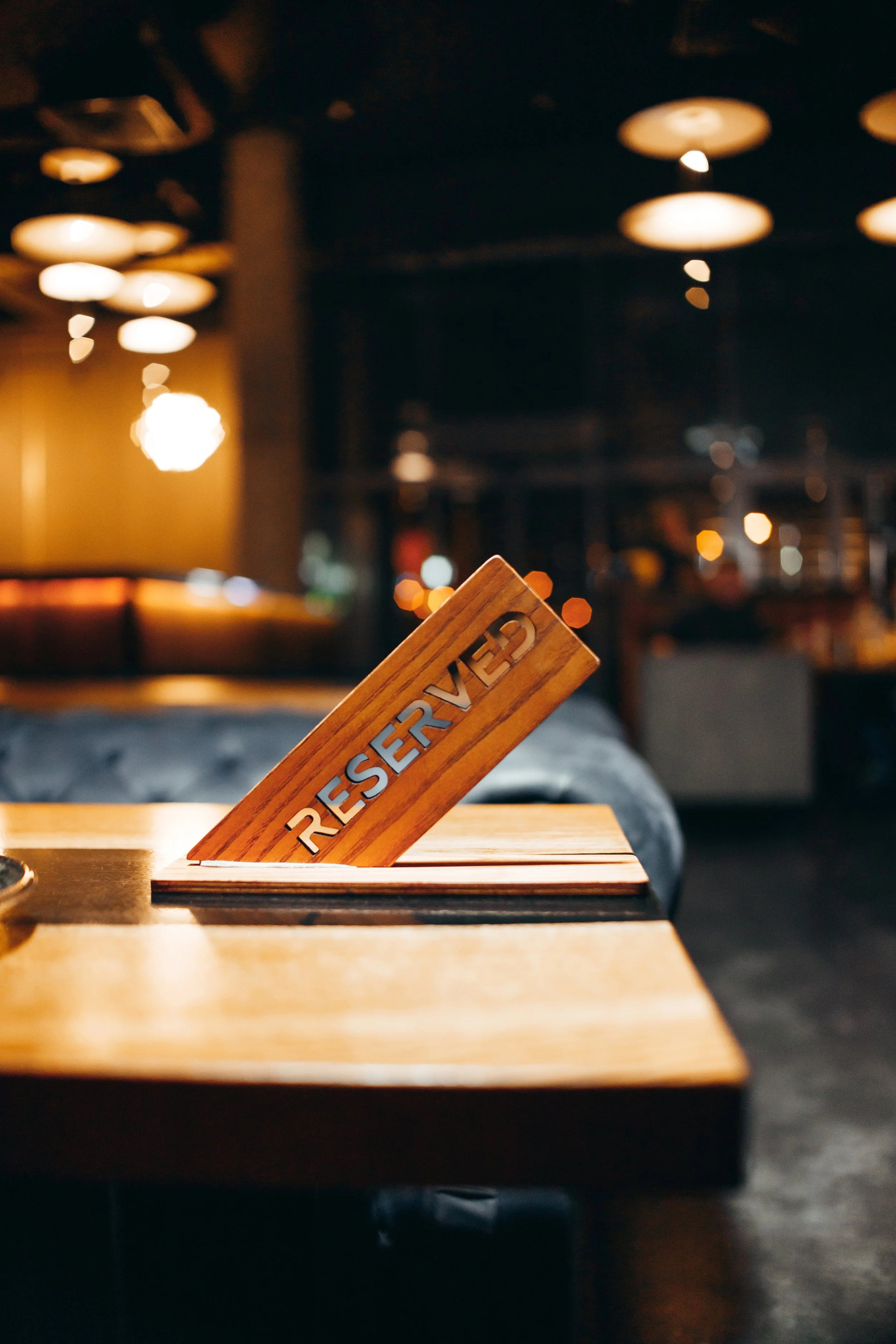
The modern power table is not reserved only for celebrities, financiers, or studio heads. It now belongs to founders, healers, creatives, physicians, editors, brand builders, philanthropists, and women who are done waiting to be invited into someone else’s room. They are building their own. They are choosing restaurants not simply for the menu, but for the energy. Can a conversation breathe here? Does the room hold elegance without stiffness? Does the lighting make people feel beautiful without demanding performance?
That is the new Los Angeles luxury. Not excess. Emotional precision.
At its best, a dinner table gives people permission to become more honest than they are online. A polished woman can admit she is tired. A founder can confess she is ready to expand but terrified of losing intimacy. A friend can say the thing she has been holding for months. Over pasta, tea, wine, sparkling water, or a perfectly plated course, walls come down without anyone announcing their collapse.
The restaurant becomes a container. The table becomes a witness.
This is why the new power table is not about being seen everywhere. It is about being seen clearly somewhere. For Ageless Living readers, that distinction matters. These are women who understand that energy is a currency, time is sacred, and community cannot be mass-produced. They do not want another room filled with shallow introductions. They want rooms where the conversation lingers after the plates are cleared.
Fall in Los Angeles is built for this kind of gathering. The season lands gently here, without the theatrical weather of the East Coast, yet something still shifts. Calendars tighten. Vision returns. The year begins to ask what still matters, what needs to be released, and who belongs at the next table.
The new power table answers with intimacy.
It reminds us that legacy rarely begins in a crowd. Sometimes it begins across linen, beside candlelight, with someone saying, “I know exactly who you need to meet.” Sometimes it begins with laughter that breaks the formal mood. Sometimes it begins when a woman finally stops shrinking her ambition to make the room more comfortable.
Los Angeles has always been a city of rooms. The difference now is that the most powerful ones are not always the biggest. They are the ones where people feel chosen, not collected. They are the ones where culture is not consumed, but created.
And for the woman reading this, perhaps the invitation is not to wait for the next power table.
Perhaps it is to set one.