When the World Comes to LA: Inside the City’s Road to the 2026 World Cup
Inside the Infrastructure, Community Prep, and Local Stories Behind LA’s World Cup Moment

Walter Cicchetti - stock.adobe.com
On June 12, 2026, the world will turn its eyes toward Inglewood. More than 70,000 fans will fill SoFi Stadium as Los Angeles hosts one of the opening matches of the largest FIFA World Cup in history.
But long before the first whistle blows, something quieter and just as powerful is unfolding across the region.
This is not only a sports story. It is a civic story. A neighborhood story. A story about transit riders, small business owners, park volunteers, hospitality workers, and families preparing to welcome visitors from across the globe.
The 2026 tournament will feature 48 teams competing across the United States, Canada, and Mexico. Los Angeles is one of 16 host cities and will stage eight matches over 39 days. That global spotlight is already shaping how the city moves, gathers, and prepares.
A Stadium Transformed and a Community Watching
SoFi Stadium was built to host the world. Even so, FIFA’s international standards require adjustments.
The playing field will be expanded to meet official tournament dimensions, and a natural grass surface will be installed specifically for World Cup matches. Seating modifications are planned to ensure proper spacing between the field and spectators. During the tournament, the venue will operate under the neutral name “Los Angeles Stadium,” in keeping with FIFA policy.
Construction is being overseen by Clark Construction, the original builder of the stadium, with work phased carefully around existing events.
For residents of Inglewood, these changes are more than structural. They are visible reminders that their neighborhood is about to become a global gathering point.
Moving Millions: Rethinking How LA Travels
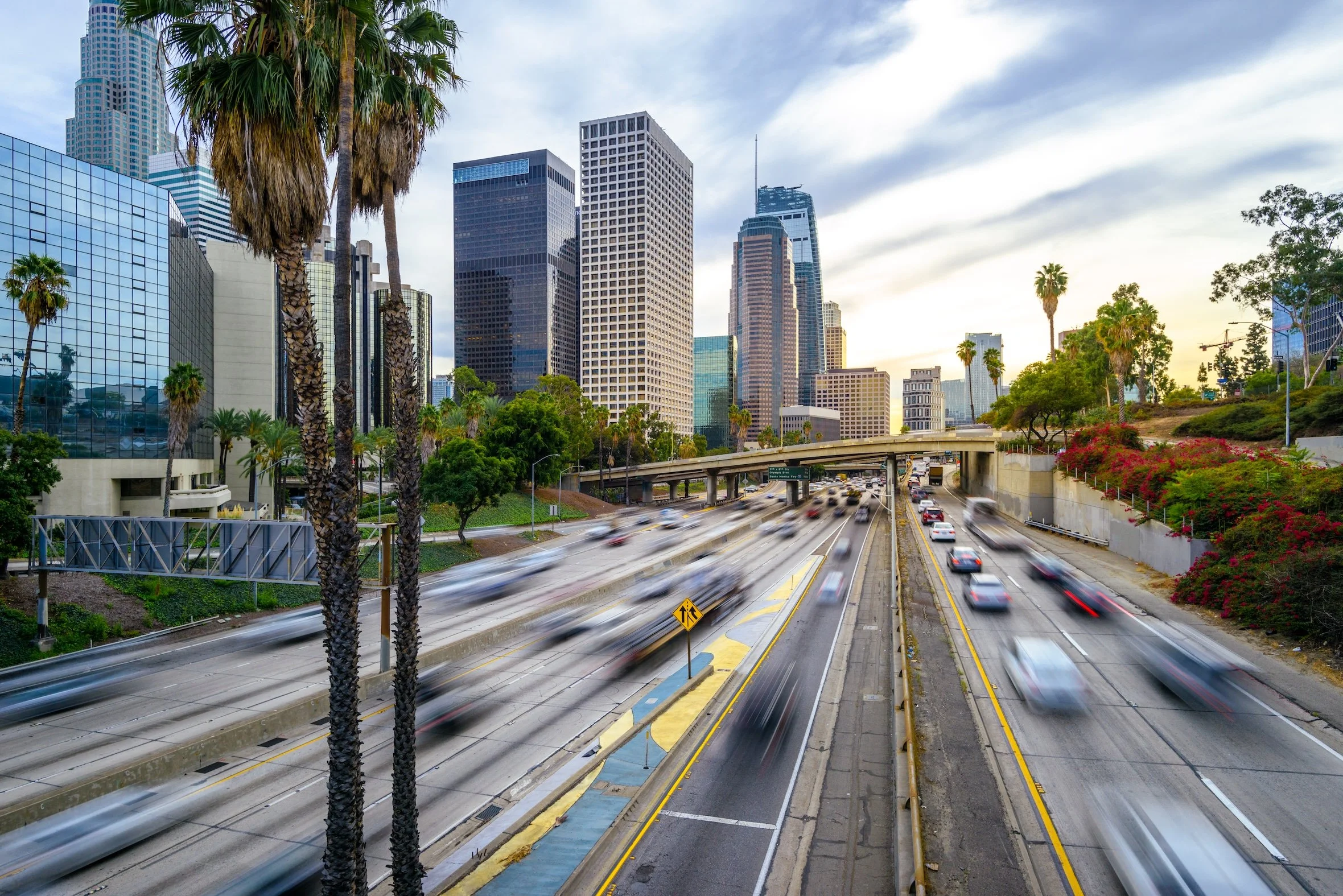
Los Angeles is known for its car culture. The World Cup presents both a challenge and an opportunity to rethink that identity.
The Los Angeles County Metropolitan Transportation Authority (LA Metro) is planning expanded service for match days, including the potential deployment of approximately 330 additional buses. Rail lines will increase frequency, and park-and-ride options are being developed to help manage crowds.
A significant addition is the new LAX/Metro Transit Center, which connects rail service directly to the Los Angeles International Airport. For international visitors arriving for the tournament, this connection represents a smoother welcome.
For local riders, especially seniors and students, the event is also accelerating programs designed to make public transit more accessible. The On the Move Riders Program pairs seniors with peer mentors to build confidence navigating the system. GoPasses offer free transit access for K–14 students.
Metro leaders have described the World Cup as a “practice run” for the 2028 Summer Olympics. For everyday Angelenos, that means the improvements underway now could shape mobility long after 2026.
From Inglewood to Venice: A Countywide Celebration
The energy of the tournament will not be confined to the stadium.
From June 11 through June 15, 2026, Los Angeles is planning a major fan festival at the Los Angeles Memorial Coliseum, with additional fan zones expected across the county. Locations announced so far include Union Station, Venice Beach, Hansen Dam Lake, Earvin ‘Magic’ Johnson Park, Whittier Narrows, Fairplex, West Harbor, the City of Downey, and The Original Farmers Market. Specific programming and final site designations will continue to roll out as 2026 approaches.
For families who may never attend a stadium match, these spaces provide access to the celebration. For neighborhoods, they offer a chance to share local culture with the world.
The Host Committee is also organizing Community Days, including one on March 14 and another in spring 2026, focused on park beautification and improvements to public gathering spaces. Organizers emphasize that these enhancements are meant to remain in place after the tournament ends.
The Economic Ripple Without Losing the Human Scale
Yes, the numbers are significant. The Los Angeles World Cup 2026 Host Committee. Early projections from local organizers anticipate a significant economic boost for Los Angeles County, with visitor spending expected to ripple through hospitality, retail, transportation, and entertainment sectors. Detailed economic estimates will continue to be refined as the tournament draws closer, but the impact is expected to be wide-reaching.
But behind those projections are people.
Hospitality workers are preparing for long shifts. Restaurant owners are refining menus for international guests. Small retailers are anticipating foot traffic in fan zones. Drivers, security teams, and volunteers are coordinating logistics.
Approximately 179,200 out-of-town visitors are projected to travel to Los Angeles for the tournament, generating an estimated 329,650 hotel room nights. That activity supports jobs across the region, from front desks to food suppliers.
For many small businesses, the World Cup represents both opportunity and preparation: staffing, inventory, language accessibility, and community partnerships are already being discussed.
Safety, Climate, and Readiness
Security planning is being coordinated between host cities and the U.S. Department of Homeland Security. Federal authorities will oversee operations at stadiums, fan zones, and team facilities.
Organizers are also addressing environmental factors. The National Weather Service is deploying advanced forecasting tools to monitor heat conditions, informed by lessons from past international tournaments.
Preparation extends beyond visibility. It is about readiness: ensuring that visitors and residents alike experience a safe, well-managed event.
What This Means for LA
For a city that has hosted the Olympics before and will do so again in 2028, global attention is not unfamiliar. Yet the 2026 FIFA World Cup arrives at a distinct moment.
It is a test of infrastructure. A rehearsal for the future. A chance to strengthen transit systems, refresh public spaces, and deepen community engagement.
When the quarterfinal match is played in July 2026, the outcome on the field will matter to fans. But off the field, something broader will already have taken place.
Los Angeles will have spent years preparing not just to stage games but to welcome the world.
And in that preparation, in upgraded parks, expanded transit access, and neighborhoods coming together, the legacy may already be taking shape.
LA Match Dates at SoFi Stadium (“Los Angeles Stadium” during tournament)
June 12, 2026: USA vs. Paraguay
June 15, 2026: Iran vs. New Zealand
June 18, 2026: Switzerland vs. Playoff Winner
June 21, 2026: Belgium vs. Iran
June 25, 2026: USA vs. Playoff Winner
June 28, 2026: Round of 32
July 2, 2026: Round of 32
July 10, 2026: Quarterfinal
Community & Festival Dates
March 14, 2026: Community Day
June 11–15, 2026: FIFA Fan Festival at Los Angeles Memorial Coliseum
June 11 – July 19, 2026: Tournament dates
July 19, 2026: Final at MetLife Stadium, New Jersey