By Jana Short, editor-in-chief
There is a moment every fall in Manhattan when the city seems to lower its voice.
The air sharpens. The light softens. The rhythm shifts from movement to intention. Summer’s urgency fades into something more deliberate, more edited, more exact. Women walk a little slower along Madison Avenue. Conversations feel more considered. Even the way people dress begins to reflect a different kind of awareness.
This is not a season of excess. It is a season of precision.
And nowhere is that more visible than in what Manhattan’s most discerning women are choosing to wear now.
The loud logos have quieted. The obvious displays of wealth have softened. The need to be seen has given way to something far more compelling. Presence without performance. Elegance without explanation. Wealth that does not introduce itself, because it does not need to.
This is the new Gilded Age of Manhattan. It is not a return to extravagance, but a refinement of it.
During New York Fashion Week, the runways still deliver spectacle. Designers continue to push boundaries, exploring form, texture, and narrative in ways that keep New York at the center of the global fashion conversation. Yet what is happening off the runway tells a more revealing story.
The real shift is not in what is being shown. It is in what is being chosen.
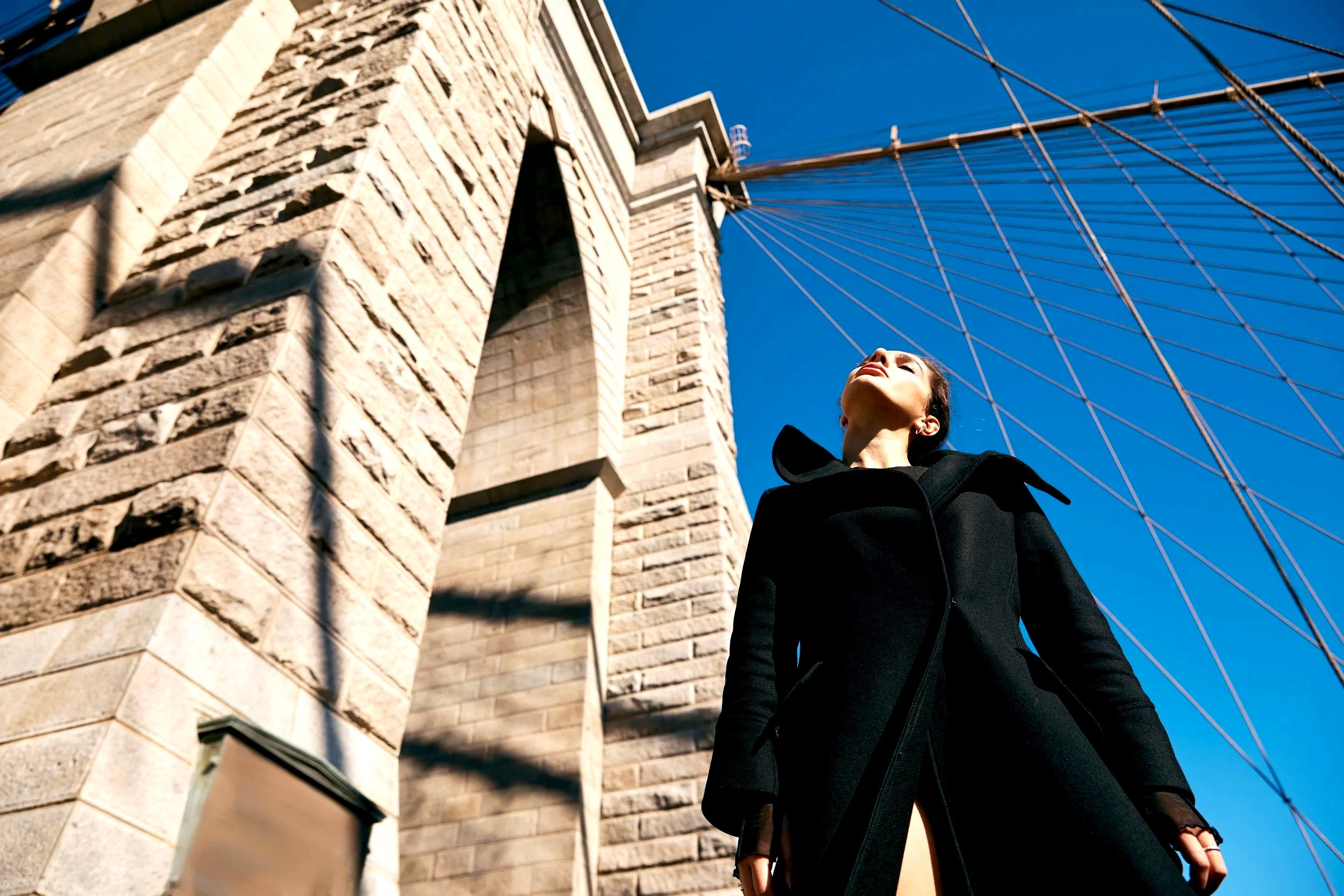
On the Upper East Side, tailoring has returned as a language of authority. Structured coats in cashmere and wool move with quiet confidence. Trousers are cut with intention. Blazers are worn not as trend pieces but as extensions of identity. There is a discipline to the way these garments are selected and styled, a sense that every detail has been considered long before the mirror.
In Tribeca, the aesthetic softens but does not lose its edge. Monochrome palettes dominate, not because they are simple, but because they are precise. Cream, charcoal, navy, and black are layered with subtle variations in texture. Silk against wool. Leather against knit. The effect is not minimalism for its own sake, but control.
What has disappeared is just as important as what has emerged.
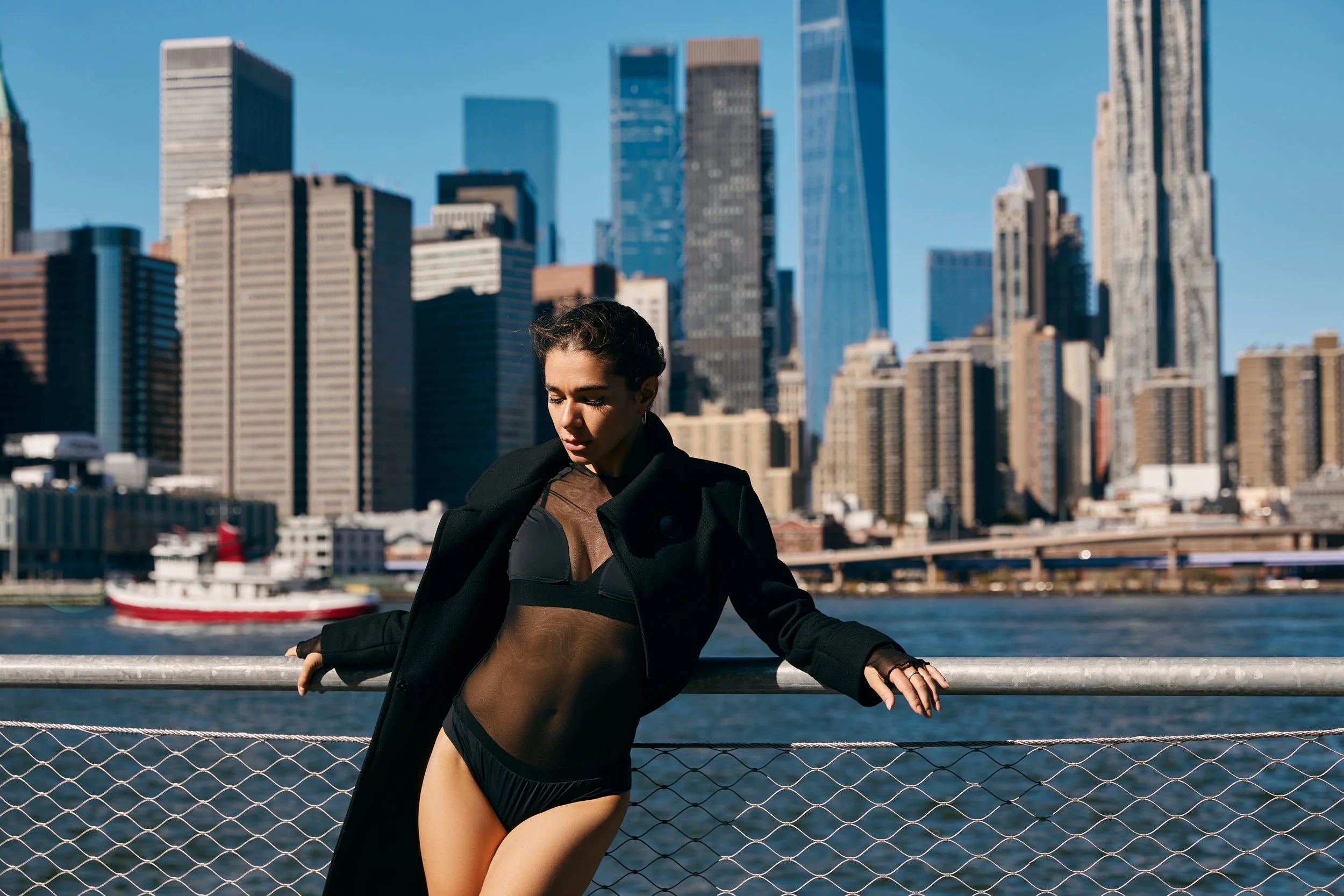
Excess branding has faded from the streets. Statement pieces designed to capture attention at a distance feel increasingly out of place. In their place is something more intimate. Clothing that invites a second look rather than demanding the first. Pieces that reveal their quality over time rather than announcing it immediately.
This shift is not purely aesthetic. It is psychological.
After years of digital visibility, constant sharing, and the pressure to curate a public identity, there is a growing desire among Manhattan’s elite to reclaim something private. To create a life that feels lived rather than displayed. Fashion, in this context, becomes less about communication with the world and more about alignment with the self.
Quiet luxury, as it has come to be called, is often misunderstood as simplicity. In reality, it is far more complex. It requires knowledge. An understanding of fabric, construction, proportion, and history is essential. It demands access, not just financial access but intellectual access. To recognize the difference between something that appears expensive and something that is.
This is where Manhattan continues to distinguish itself.
The city has always been a place where taste is developed through exposure. Private showrooms. Long-standing relationships with designers. Multi-generational wardrobes where pieces are passed down, altered, and worn again. There is an intimacy to this world that does not translate easily online.
On Madison Avenue, appointments replace browsing. Clients are known, not targeted. Pieces are selected with an understanding of the woman’s life, her schedule, her preferences, and her future. This is fashion as a relationship, not a transaction.
And it is here, in these quieter spaces, that the new Gilded Age is being defined.
It is also being shaped by a broader cultural shift around aging, identity, and visibility. Women who once felt pressure to remain aligned with youth-driven trends are now stepping into a different kind of authority. One that values experience, discernment, and self-knowledge over novelty.
Clothing, in this context, becomes a reflection of that evolution.
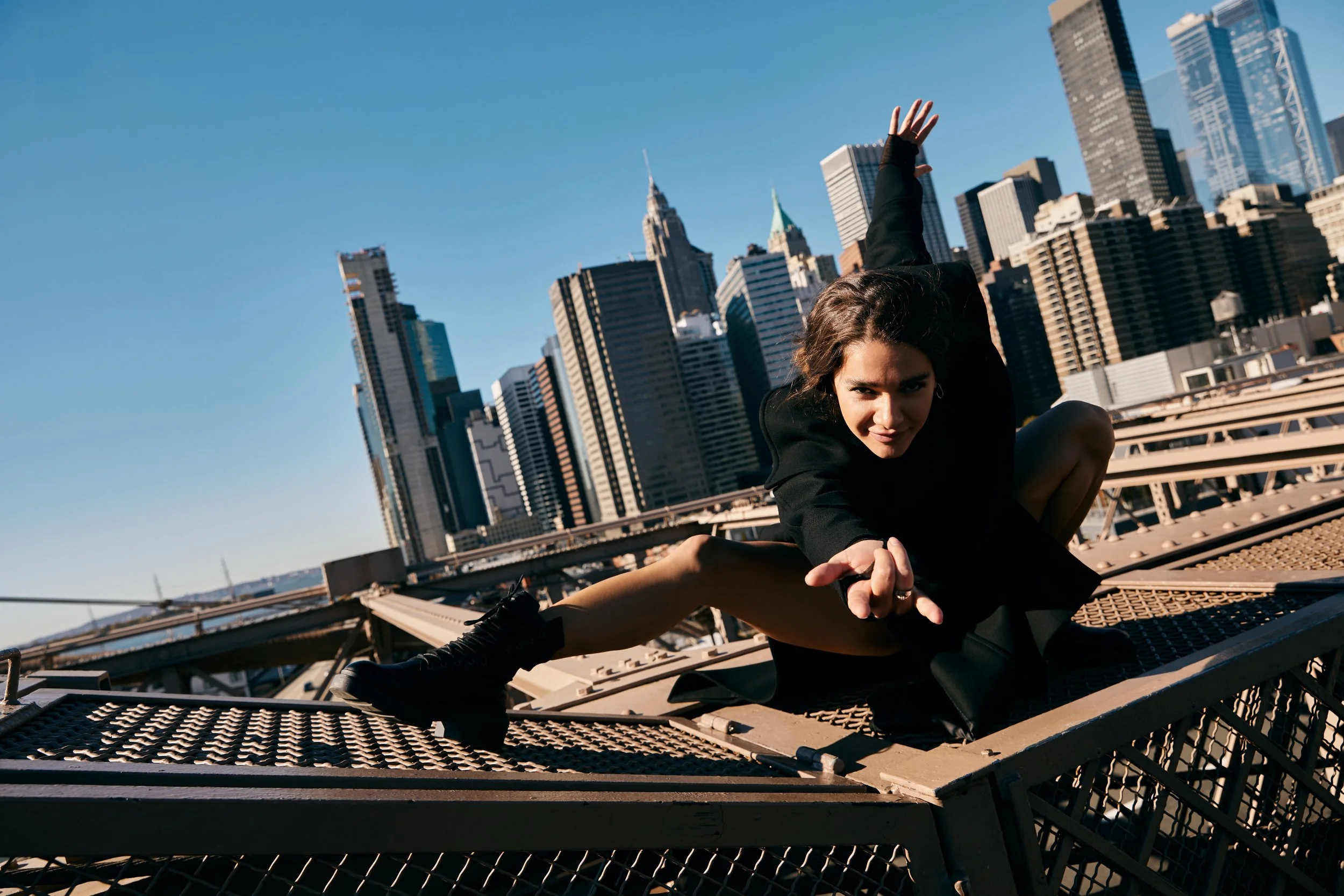
A perfectly tailored coat is not just an investment in style. It is a statement of permanence. A refusal to participate in cycles that prioritize constant change over lasting value. It is a decision to build a wardrobe, and by extension a life, that endures.
This perspective is influencing not only how women dress but also how they shop, travel, and live. There is a growing preference for fewer, better things. For experiences that feel curated rather than crowded. This is for environments that offer depth instead of distraction.
Even the pace of fashion itself is being reconsidered.
Seasonal drops and rapid trend cycles continue to exist, but they are increasingly balanced by a return to timelessness. Pieces that are designed to be worn year after year. Fabrics that improve with age. Silhouettes that do not rely on a specific moment to feel relevant.
In many ways, this mirrors the broader ethos of Ageless Living.
The idea that longevity is not about resisting time, but about engaging with it more intelligently. That beauty is not defined by novelty but by refinement. That true luxury is not about accumulation but about intention.
Manhattan, in the fall, becomes the perfect expression of this philosophy.
The city itself feels edited. Leaves turn in Central Park, adding texture and depth to an already layered landscape. The light reflects differently off the buildings, creating a softer, more cinematic atmosphere. There is a sense that everything has been considered, from the architecture to the energy.
And within this setting, the women of Manhattan are redefining what it means to be seen.
Not louder. Not more. Just clearer.
The new Gilded Age does not announce itself.
It is recognized in the details. In the weight of a coat. In the cut of a sleeve. In the confidence of a woman who knows exactly who she is and no longer feels the need to explain it.
That is the power of quiet luxury.
And right now, Manhattan wears it better than anywhere else.