Los Angeles private members' clubs are redefining luxury, connection, and community for a generation craving discretion, depth, and belonging.
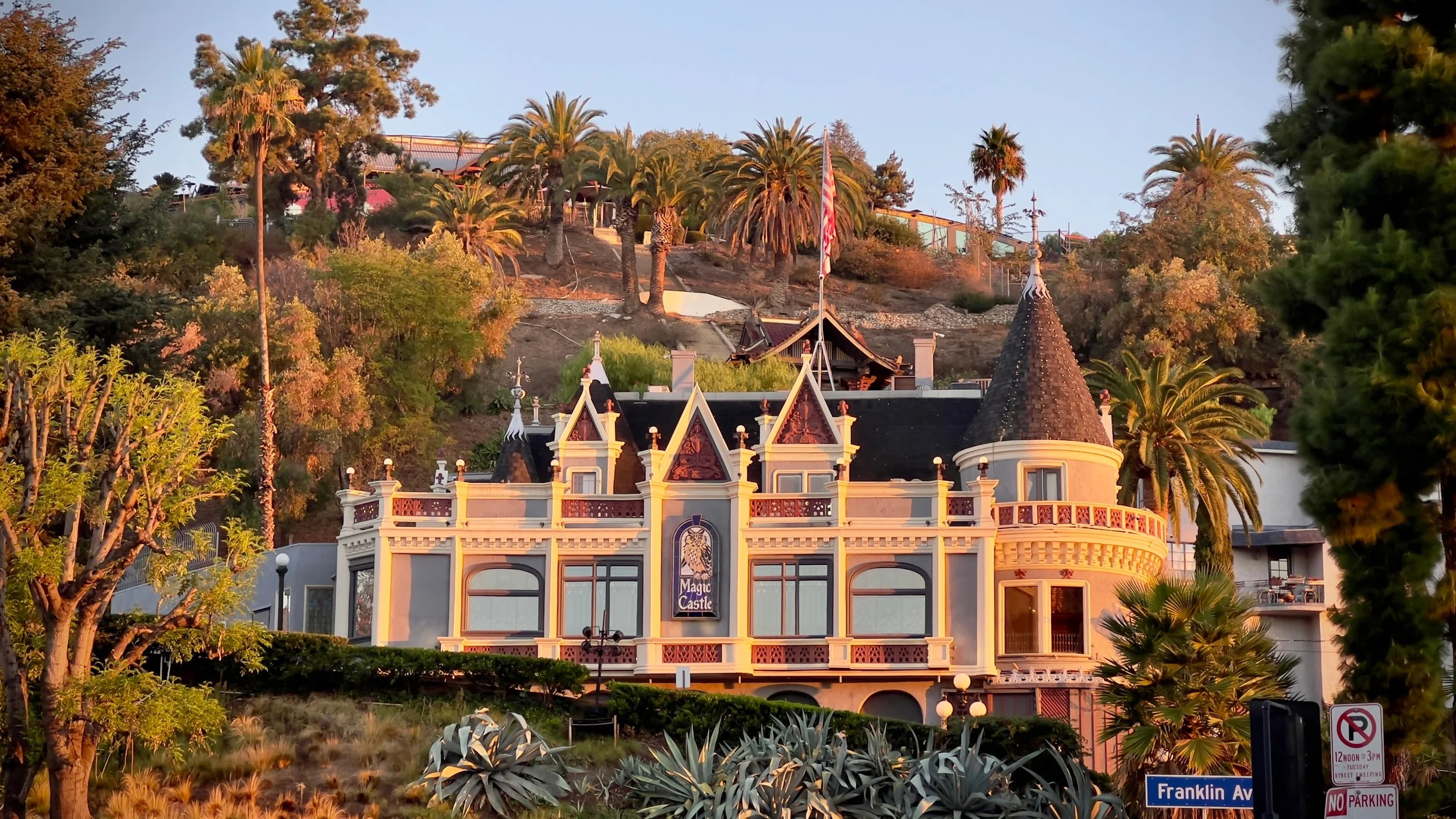
Walter Cicchetti - stock.adobe.com
By Jana Short, editor-in-chief
There was a time when visibility felt like the goal, when success looked like being everywhere at once, saying yes to every invitation, and moving from one room to the next without pause. To be seen was to matter, and to be known by many felt like the closest thing to belonging. Los Angeles, perhaps more than any other city, perfected that rhythm. It rewarded presence, celebrated proximity, and turned access into a kind of currency that many learned to chase without ever questioning its cost.
Yet beneath that polished surface, something quieter was always unfolding.
The woman leaving the room often carried a different truth than the one she projected inside it. She smiled, she connected, she performed the expected version of herself, and then she returned home with a subtle sense of depletion she could not always name. The conversations were pleasant, the environment beautiful, and the opportunities present, and yet, something essential was missing. Access, she realized, did not always translate into belonging, and visibility did not necessarily lead to connection.
Los Angeles understands this tension intimately, which is why the shift now taking place feels less like a trend and more like a correction.
A different desire is rising, one that is not rooted in withdrawal but in discernment. Women are not disappearing from the social landscape; they are refining their relationship to it. They are becoming more selective about where they place their energy, more attuned to the environments that support them, and more willing to walk away from spaces that require performance rather than presence.
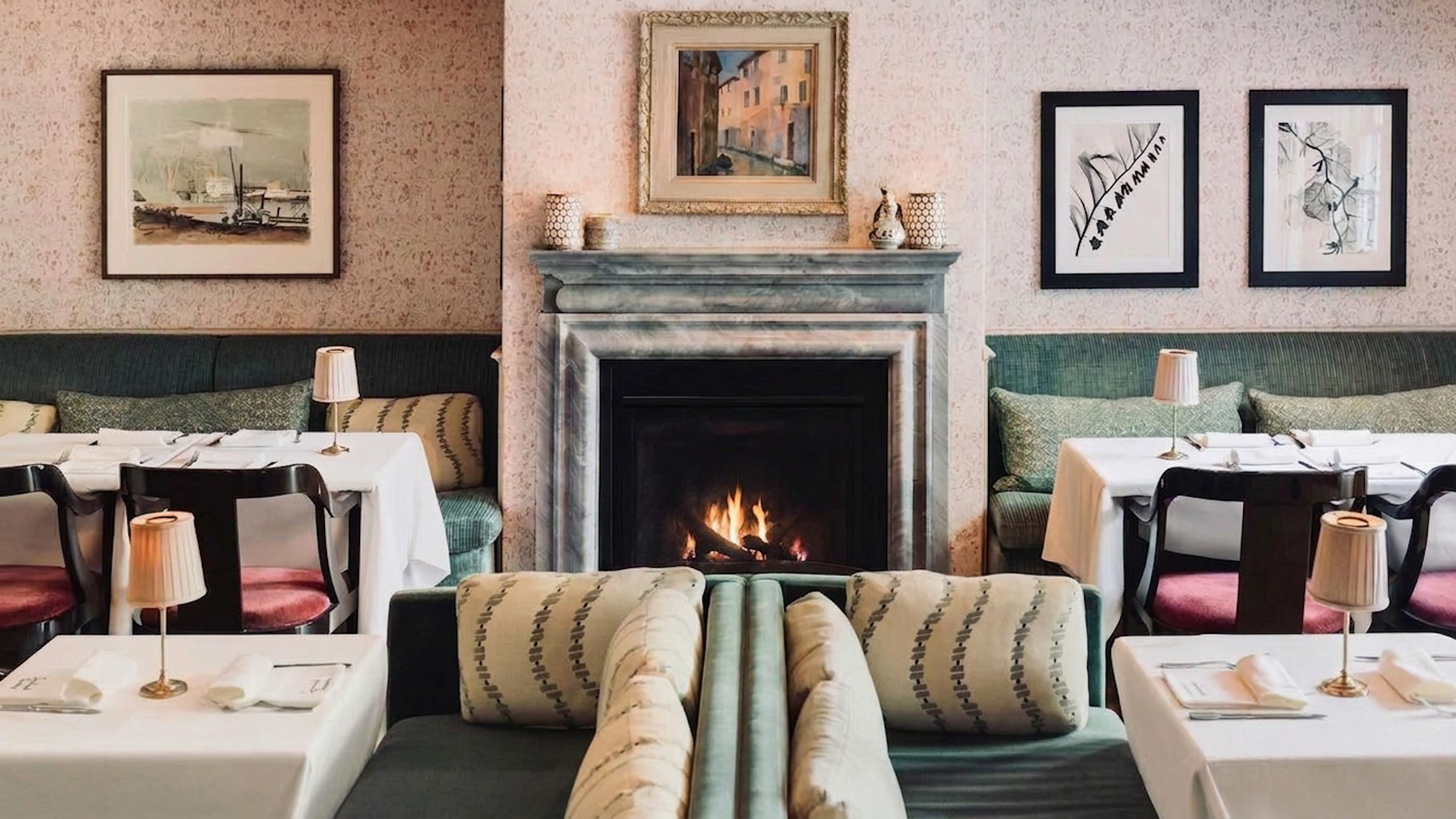
Across the city, private clubs and curated community spaces are stepping into this moment with quiet precision. They are no longer defined solely by exclusivity or status but by the quality of the experience they create. These spaces are becoming cultural mirrors, reflecting a deeper collective need for intimacy, safety, and environments that feel aligned with who people are becoming, not just who they appear to be.
Spaces such as San Vicente Bungalows operate on a membership model that requires nomination, reinforcing a sense of intentional entry rather than open access. Soho House, located along Sunset Boulevard, has long positioned itself as a members’ club for creative thinkers, offering a blend of social, cultural, and private environments designed to foster both connection and privacy. While these clubs are well-established, their relevance today feels newly amplified by what they represent rather than simply by what they offer.
Because what they offer, at their best, is relief.
For the modern woman navigating a full and often demanding life, the appeal is not simply exclusivity. Exclusivity without emotional intelligence becomes little more than a barrier. What she seeks instead is curation. She wants to enter a room where the energy has been considered, where the conversations hold substance, and where the environment supports her rather than drains her. She wants to be able to engage without guarding herself, to contribute without performing, and to connect without feeling evaluated.
This is a completely unique definition of luxury.
It is not loud. It is not performative. It does not rely on spectacle to prove its value. Instead, it is felt in the details that are often invisible to the casual observer. The lighting that softens rather than overwhelms. The spacing that allows conversation to breathe. The pacing that respects presence instead of demanding constant engagement. These elements, while subtle, create an experience that the body recognizes immediately.
The nervous system knows when it is safe.
This is where the conversation around private clubs intersects with wellness in a meaningful way. Emotional safety is no longer viewed as an abstract concept or an optional enhancement; it is increasingly understood as essential to longevity and overall well-being. Women who are managing businesses, relationships, families, and personal growth are becoming more aware of how their environments impact their energy. They are learning to recognize the difference between stimulation and nourishment, between being activated and being supported.
Private, curated spaces offer a response to that awareness.
They create environments where relationships can develop over time rather than in passing. The same faces return, not out of obligation, but out of alignment. Conversations evolve beyond introductions and surface-level exchanges, allowing people to be seen more fully. In a world where digital visibility can feel endless yet strangely isolating, these spaces provide something tangible. They remind us that community is not built through exposure alone but through consistency, trust, and shared experience.
Los Angeles has always been a city where proximity carries influence. The right introduction can open doors, the right conversation can spark collaboration, and the right room can shift the trajectory of a life. Yet the traditional model of networking often came with an unspoken cost, requiring individuals to remain constantly accessible, consistently engaging, and perpetually “on.”
For many women, that model no longer feels sustainable.
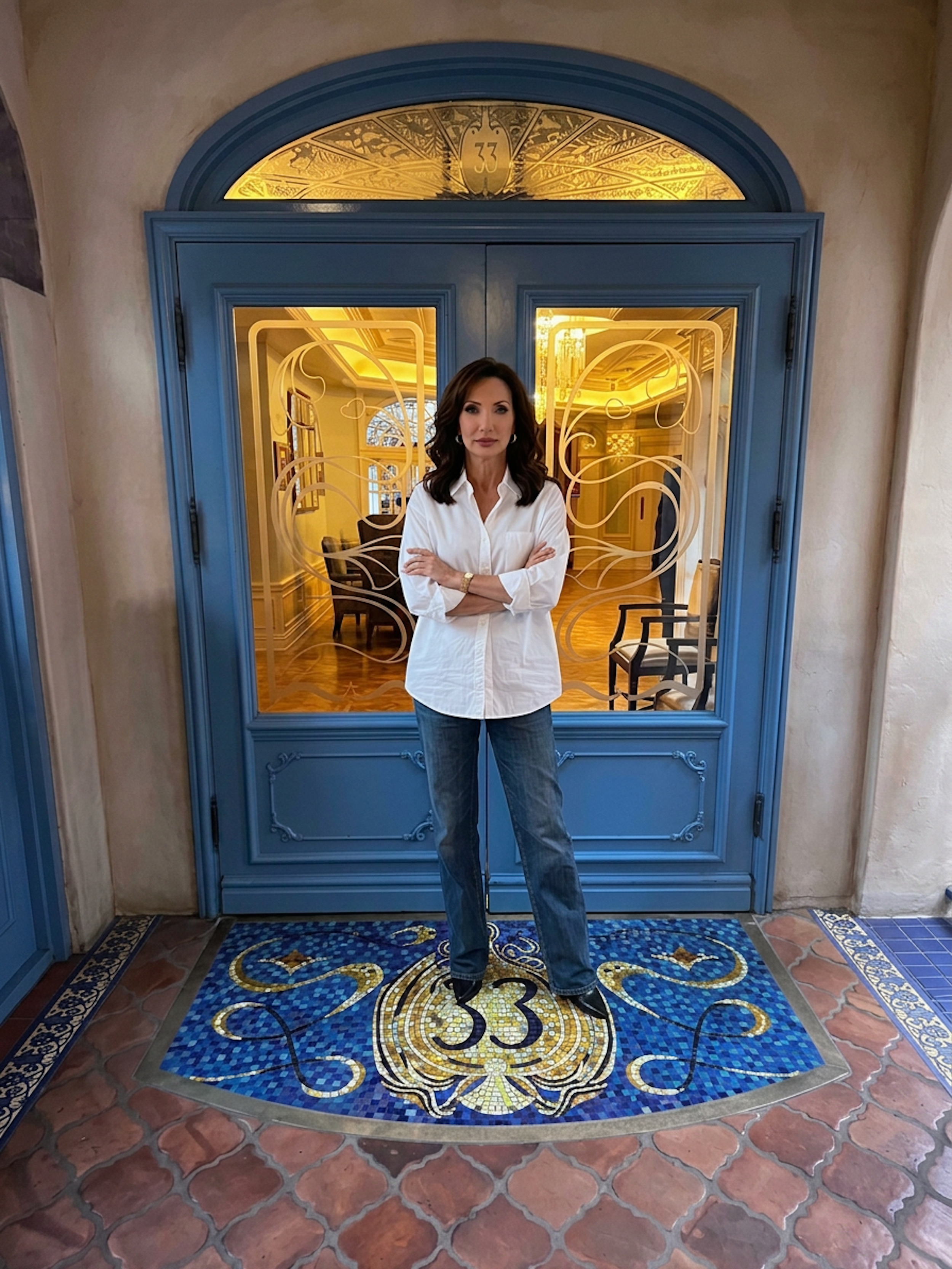
CLUB 33
Club 33 at Disneyland has long represented a certain kind of access: discreet, highly curated, and intentionally removed from the public flow just outside its doors. Tucked inside New Orleans Square, the members-only club offers private dining, hospitality, and a sense of belonging built around exclusivity rather than visibility, making it an enduring example of why the most desirable rooms are often the ones not everyone can enter.
Curated clubs represent a more refined approach. They allow for access without overexposure, for connection without depletion, and for opportunity without urgency. They create a rhythm that feels more aligned with long-term growth rather than immediate gain.
This alignment becomes even more relevant in the fall.
As the year moves toward its final quarter, there is a natural inclination to reassess. Women begin to ask sharper, more honest questions about how they are spending their time and where they are placing their energy. The external pace may remain steady, but internally, there is a shift toward clarity. What once felt acceptable may no longer feel aligned. What once felt exciting may now feel exhausting.
In this context, the question is no longer how to be more visible, but how to be more intentional.
Private spaces provide a framework for that intention. They offer a way to engage with the world that feels considered rather than reactive. They allow individuals to choose their environments with care, recognizing that the quality of a room often determines the quality of the experience within it.
This does not mean withdrawing from the broader world. On the contrary, it enables a more grounded and purposeful engagement with it. A woman who feels supported in her community carries that sense of stability into every other area of her life. She leads with greater clarity, collaborates with greater ease, and makes decisions from a place of alignment rather than pressure.
Perhaps most importantly, she begins to understand the difference between availability and generosity.
Availability is reactive. It is driven by the need to respond, to show up, to maintain presence. Generosity, by contrast, is intentional. It is chosen, directed, and grounded in a sense of self that is not easily influenced by external demands. The distinction may seem subtle, but its impact is profound.
This is the quiet shift at the heart of the private club renaissance.
It is not about exclusion for the sake of status, nor is it about creating distance from others. It is about redefining what it means to belong. It is about recognizing that meaningful connection requires more than access and that the environments we choose play a significant role in shaping our experiences.
For Los Angeles, a city that has long been defined by its openness and opportunity, this shift represents a new kind of sophistication. It reflects a growing awareness that true luxury lies not in being everywhere but in being where it matters.
And for the woman reading this, it offers a simple yet powerful invitation.
To choose her rooms with care.
To honor the environments that support her growth.
To trust that she does not need to be present everywhere to be fully seen.
Because the future of belonging is not built on visibility alone.
It is built on intention.
And in Los Angeles, that intention is finally becoming the most powerful form of access.